



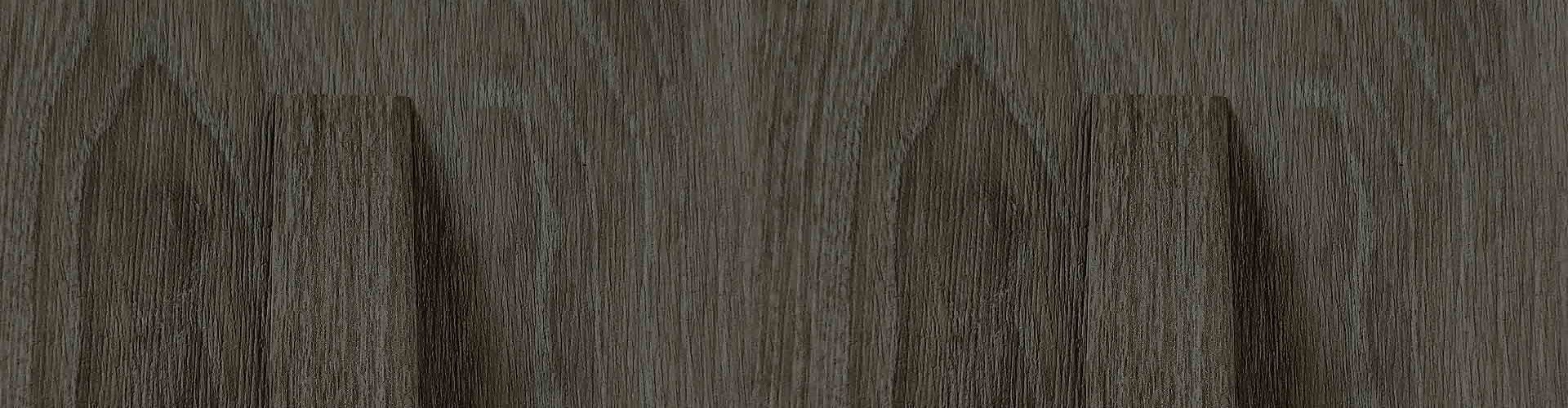
In modern furniture manufacturing, edge banding is more than a finishing material. It protects exposed panel edges, improves resistance to everyday wear, and creates a finished appearance that complements the surface of cabinets, tables, wardrobes, and other furniture components. For furniture manufacturers, however, choosing the right edge banding requires consideration of more than color and appearance.
Material composition, thickness, width, surface finish, machining method, environmental requirements, and compatibility with the substrate can all influence the final result. The most suitable solution depends on the furniture structure and the production process used by the manufacturer.
Why Edge Banding Matters in Furniture Production
Wood-based panels such as MDF, particleboard, and other engineered boards have exposed edges after cutting. Without appropriate edge treatment, these areas can be more vulnerable to impact, moisture, contamination, and general wear.
A properly selected edge banding material provides a protective layer over the panel edge while creating a visually continuous transition between the board surface and its edge.
For high-volume furniture production, consistency is equally important. The edge banding needs to maintain stable dimensions, color, surface quality, and processing performance throughout production. This is particularly important for kitchen cabinets, wardrobes, office furniture, and customized furniture where large quantities of panels may be processed in a short production cycle.
PVC Edge Banding: A Versatile Choice for Furniture
PVC edge banding remains widely used in furniture and cabinet manufacturing because it offers a practical balance between appearance, processing performance, durability, and cost.
PVC edge banding can be produced in solid colors, woodgrain patterns, stone effects, high-gloss finishes, and other decorative surfaces. This makes it possible to coordinate the edge with different decorative panels.
For furniture manufacturers producing cabinets, shelves, desks, and storage systems, PVC edge banding can provide a flexible solution for both functional protection and visual matching.
High-quality raw materials and controlled surface treatment are especially important when producing woodgrain or high-gloss edge banding, where color consistency and surface appearance are highly visible.
ABS Edge Banding for Higher Performance Requirements
ABS edge banding is another important option for furniture manufacturers. Compared with conventional decorative solutions, ABS can provide a combination of impact resistance, dimensional stability, and attractive surface appearance.
It is commonly considered for furniture applications where the edge is exposed to frequent contact or mechanical stress.
ABS edge banding can also be manufactured with different colors, textures, and surface finishes, allowing manufacturers to coordinate the edge with contemporary furniture designs.
Why PP Edge Banding Is Receiving More Attention
As furniture manufacturers place greater emphasis on material selection and environmental considerations, PP edge banding has become an increasingly interesting option.
Polypropylene offers low density, good chemical resistance, and good heat resistance compared with some conventional plastic materials. It can also be processed into different colors and decorative patterns.
For projects with specific environmental or material requirements, PP edge banding can be evaluated as an alternative to traditional PVC solutions.
Sinowolf states that its PP edge banding can be produced in thicknesses from 0.4 mm to 2.0 mm and widths from 15 mm to 620 mm, with raw materials intended to meet food-grade safety requirements.
When Should Manufacturers Consider Acrylic Edge Banding?
For furniture designs where surface appearance is a major priority, acrylic edge banding can provide a different visual effect.
Acrylic edge banding can be produced with high-gloss, woodgrain, solid-color, two-tone, and three-dimensional decorative effects. It is particularly suitable for modern furniture designs where a clean transition between the panel surface and edge is required.
For high-end cabinets, display furniture, contemporary interiors, and customized furniture, the visual quality of the edge can have a significant impact on the perceived quality of the finished product.

Matching Edge Banding With the Production Process
Material selection should also be coordinated with the furniture manufacturer's edge-banding equipment.
Different production lines may use hot-melt adhesive, laser technology, hot-air technology, or other bonding methods. The compatibility between the edge banding material, adhesive system, panel substrate, and machine parameters directly affects bonding strength and the final appearance.
For manufacturers using laser edge-banding technology, for example, the edge material needs to be specifically compatible with the selected processing system. Proper matching can help achieve a cleaner transition and reduce visible glue lines.
This is one reason why furniture manufacturers should discuss their production process with the edge banding supplier before placing a large-volume order.
Thickness and Width Are Also Critical
Choosing the correct thickness and width is not simply a matter of appearance.
The thickness of the edge banding should correspond to the panel structure, edge profile, machining process, and desired visual effect. Thin edge banding may be suitable for certain furniture components, while thicker material can provide a more substantial edge appearance and additional protection.
Width selection also needs to account for the panel thickness and trimming process. For customized furniture production, accurate dimensional matching can help reduce material waste and improve production efficiency.
Customization for Furniture Manufacturers
Large furniture manufacturers often require more than standard colors and dimensions. They may need a specific color, woodgrain pattern, gloss level, texture, thickness, width, or surface finish to match their panel supplier or furniture collection.
Digital printing technology provides additional possibilities for customized decorative patterns, while metallic and specialty edge banding can be used when a more distinctive design effect is required.
Sinowolf's current product range includes PVC, ABS, PP, acrylic, veneer, digital printing, laser, metallic, melamine, pre-glued, and profile edge banding solutions, allowing different furniture manufacturers to select materials according to their production and design requirements.
Quality Control Should Start With the Material
For B2B furniture manufacturers, stable quality is often more important than a single attractive sample.
Important quality factors can include thickness consistency, width tolerance, color consistency, surface finish, flexibility, impact resistance, bonding performance, and aging resistance.
Sinowolf reports ISO9001 quality management certification and states that its edge banding products have undergone testing associated with standards and certifications including SGS, RoHS, REACH, and other requirements.
For projects supplying international furniture markets, buyers should confirm the applicable material and compliance requirements before mass production.
Choosing the Right Edge Banding Supplier
The right edge banding supplier should provide more than a catalog of colors. Furniture manufacturers need stable raw materials, consistent production, reliable dimensional control, customization capability, and technical support for different processing methods.
Sinowolf has specialized in edge banding manufacturing since 2007 and operates production facilities in Dongguan, Zhejiang, and Zhaoqing. The company reports more than 300 automatic production lines and a broad range of edge banding materials for furniture applications.
For manufacturers looking for a suitable edge banding supplier, evaluating material performance alongside production compatibility can help achieve a more reliable result from prototype development through mass production.
Conclusion
There is no single edge banding material that is ideal for every furniture application. PVC, ABS, PP, acrylic, veneer, metallic, digital printing, and laser-compatible edge banding each offer different characteristics and design possibilities.
The right choice should be based on the furniture structure, panel material, processing technology, required appearance, durability expectations, and applicable environmental standards.
By defining these requirements before production and working with an experienced edge banding manufacturer, furniture manufacturers can improve edge protection, maintain consistent appearance, and develop more reliable finished products for different furniture markets.