



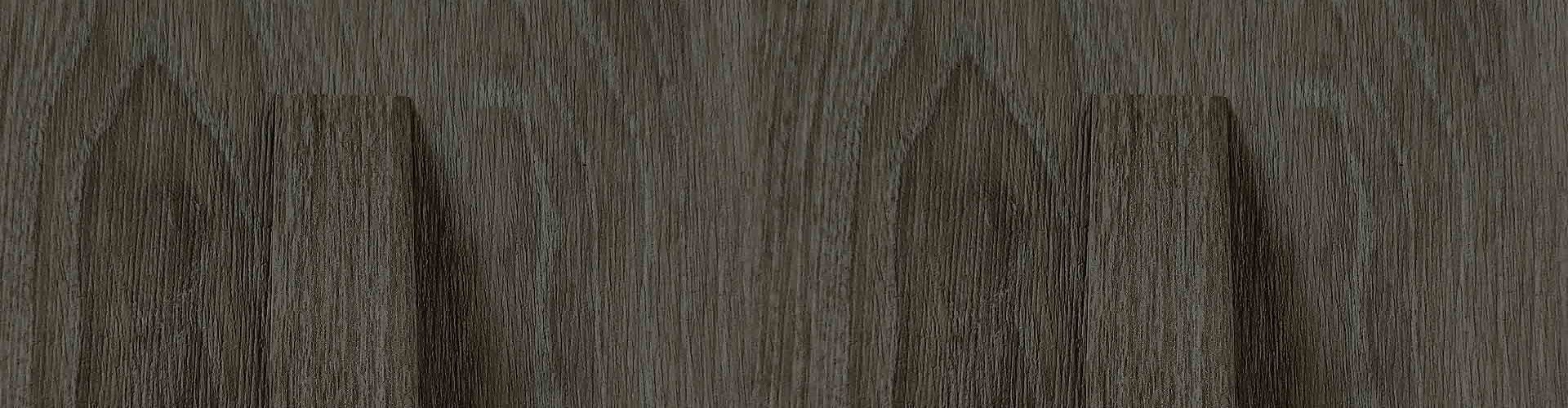
PVC Edge Banding Woodgrain: A Complete Guide to Enhancing Furniture Aesthetics and Durability
In modern furniture manufacturing and interior design, finishing the edges of panels is crucial to both aesthetics and longevity. One solution that has gained widespread adoption is PVC Edge Banding Woodgrain. Combining the realistic look of wood with the durability of PVC, this material has become a standard in cabinetry, shelving, and various custom woodworking projects. With its superior performance, ease of application, and cost-effectiveness, PVC woodgrain edge banding is transforming the way furniture is produced and finished.
What Is PVC Edge Banding Woodgrain?
PVC Edge Banding Woodgrain is a flexible strip of polyvinyl chloride (PVC) designed to cover the exposed edges of wood panels, plywood, MDF, or particleboard. It comes printed with a variety of realistic wood patterns such as oak, walnut, maple, cherry, and teak. Once applied, it provides a seamless, aesthetically pleasing finish that mimics natural wood, while also protecting panel edges from moisture, wear, and mechanical damage.
Unlike traditional solid wood edging, PVC edge banding offers consistent color and pattern, eliminating variations found in natural wood. This makes it ideal for mass-produced furniture, where uniformity and high visual quality are important.
Key Features of PVC Woodgrain Edge Banding
Realistic Wood Patterns: Advanced printing technology produces lifelike wood textures and colors.
Durability: Resistant to moisture, scratches, chipping, and impact.
Flexibility: Easily bends around curves or corners for complex designs.
Ease of Application: Can be applied using hot-melt adhesive or iron-on methods.
Cost-Effectiveness: Affordable alternative to solid wood veneer, reducing production costs.
Low Maintenance: Easy to clean and resistant to fading over time.
Benefits of Using PVC Edge Banding Woodgrain
1. Enhanced Aesthetics
The primary advantage of PVC woodgrain edge banding is its visual appeal. High-resolution printing and embossed textures allow designers to achieve a natural wood look that is nearly indistinguishable from real wood. The seamless edges provide a polished, professional finish that elevates furniture quality.
2. Improved Durability
PVC edge banding protects raw panel edges from moisture, scratches, and accidental impacts. This is particularly important in kitchens, bathrooms, and commercial settings where surfaces are subject to heavy use and exposure to humidity. Unlike real wood veneers, PVC does not warp, swell, or crack under environmental stress.
3. Cost Savings
Solid wood edging is expensive and often requires labor-intensive finishing. PVC edge banding offers an economical alternative with similar aesthetics, allowing manufacturers to maintain premium appearances while lowering production costs. Additionally, the material's durability reduces replacement and maintenance expenses over time.
4. Ease of Application
PVC woodgrain edge banding can be applied using automated edge banding machines for large-scale production or manual iron-on methods for smaller projects. Modern edge banding machines handle cutting, gluing, and trimming efficiently, ensuring consistent results and faster production cycles.
5. Versatility
Available in various widths, thicknesses, finishes (matte, semi-gloss, glossy), and textures, PVC edge banding woodgrain is suitable for a wide range of furniture applications, from cabinets and desks to shelving and decorative panels.
Applications of PVC Edge Banding Woodgrain
PVC woodgrain edge banding is widely used in both residential and commercial furniture projects. Its versatility makes it suitable for a variety of applications:
Kitchen Cabinets: Provides moisture-resistant edges for cabinets and drawers exposed to humidity.
Office Furniture: Enhances the professional look of desks, tables, and workstations.
Closets and Storage Units: Adds a polished finish to shelves, wardrobe panels, and custom storage solutions.
Retail Displays: Offers a durable, attractive edge for shelving, display racks, and point-of-sale units.
Commercial Interiors: Ideal for hotels, restaurants, and corporate interiors where durability and aesthetics are equally important.
Types of PVC Edge Banding Woodgrain
There are several types of PVC woodgrain edge banding to meet diverse design and functional requirements:
Textured Woodgrain
Embossed textures replicate the natural grain and feel of real wood. This type enhances both the look and tactile experience of furniture edges.
Matte Finish Woodgrain
Matte finishes reduce glare and fingerprints, giving a modern, understated look suitable for contemporary interiors.
Gloss Finish Woodgrain
Gloss finishes add a reflective surface that enhances the perception of luxury and brightness in furniture design.
Color-Matched Woodgrain
Advanced printing technology allows edge banding to closely match panel surfaces or laminate sheets, ensuring uniform aesthetics across the entire piece.
Application Process
Applying PVC edge banding woodgrain involves several key steps:
Surface Preparation: Ensure panel edges are clean, smooth, and free from dust or oil.
Edge Banding Application: Use hot-melt adhesive on an automated machine or apply manually with a pre-glued strip and iron.
Trimming: Remove excess edge banding using a trimmer or precision cutter.
Buffing and Finishing: Smooth edges to match the panel surface, creating a seamless finish.
Automated machines provide faster, more consistent results, ideal for high-volume production environments, while manual methods work well for custom or small-scale projects.
Material Specifications
PVC edge banding woodgrain is available in a variety of specifications:
Thickness: Commonly ranges from 0.4 mm to 3.0 mm, depending on panel requirements.
Width: Typically matches the panel thickness, from 12 mm to 60 mm.
Length: Supplied in rolls ranging from 50 m to 500 m.
Finish Types: Matte, semi-gloss, and glossy finishes.
Embossing: Smooth, textured, or deep-grain options.
Advantages Over Other Edge Finishing Materials
Compared to real wood veneers, melamine tapes, or laminate edges, PVC woodgrain edge banding offers several benefits:
Superior Moisture Resistance: PVC prevents swelling or warping common in natural wood.
Cost Efficiency: More affordable and easier to maintain than solid wood or veneer.
Uniform Appearance: Consistent patterns and colors reduce aesthetic variability.
Durability: Resistant to chipping, scratching, and everyday wear.
Environmental Compliance: Many PVC edge bandings meet low VOC and formaldehyde emission standards.
Choosing the Right PVC Edge Banding
When selecting Woodgrain PVC Edge Banding for a project, consider:
Panel Compatibility: Ensure the edge banding matches panel thickness and surface finish.
Design Aesthetic: Choose patterns, colors, and textures that complement the interior design.
Finish Type: Matte, semi-gloss, or glossy depending on style preferences.
Application Method: Decide between automated or manual application based on production scale.
Environmental Considerations: Select low-VOC and eco-friendly options for sustainable projects.
Maintenance and Longevity
PVC edge banding is low-maintenance. Regular cleaning with a damp cloth or mild detergent removes dirt and maintains appearance. Unlike real wood edges, it resists moisture, preventing swelling or discoloration over time. Proper installation and care can ensure decades of durability.
Trends and Future Developments
The PVC edge banding industry continues to innovate. Emerging trends include:
Advanced Printing: More realistic wood textures and patterns that mimic exotic woods.
Eco-Friendly Materials: Recyclable PVC and low-VOC adhesives for sustainable furniture manufacturing.
Automated Application: High-speed edge banding machines that reduce labor and improve precision.
Custom Designs: Personalized colors, textures, and embossing for niche markets.
Hybrid Materials: Combinations of PVC with other polymers for enhanced strength and flexibility.
Conclusion
PVC Edge Banding Woodgrain is an essential component in modern furniture production. By combining the appearance of natural wood with the durability and flexibility of PVC, it provides a cost-effective, high-quality, and long-lasting solution for finishing panel edges. Whether for residential cabinetry, commercial furniture, or interior design applications, PVC woodgrain edge banding enhances both the aesthetic appeal and functional performance of furniture.
With advancements in material technology, printing, and automated application processes, PVC edge banding woodgrain will continue to be a vital solution for manufacturers seeking a balance between style, durability, and cost-efficiency.