



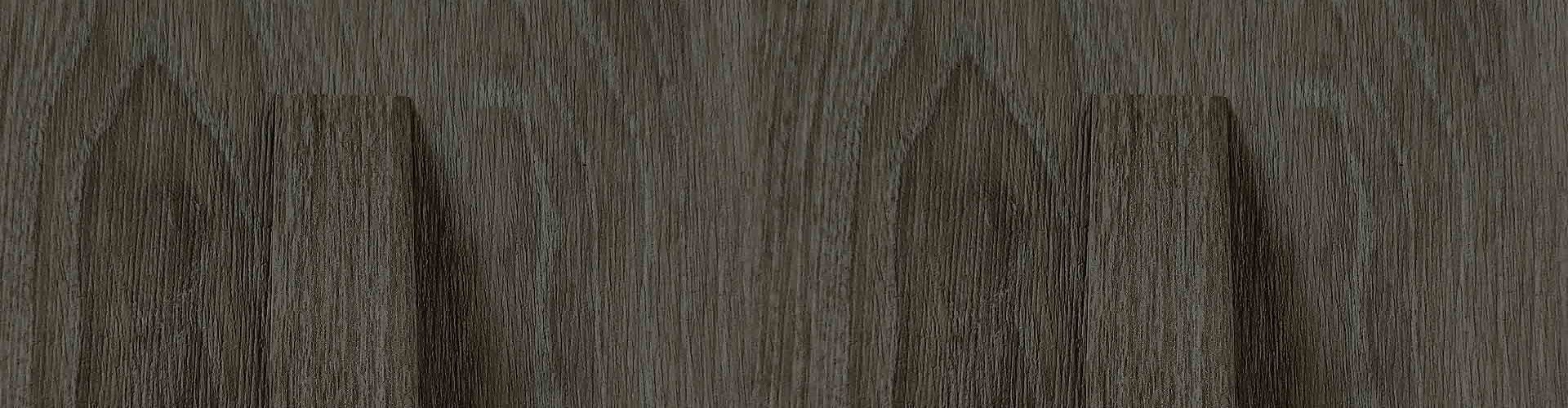
In modern furniture manufacturing, finishing details are just as important as overall design. One critical finishing component is ABS edge banding, a material widely used to cover exposed edges of plywood, MDF, particleboard, and other engineered wood products. It improves the aesthetic appeal, durability, and safety of furniture pieces, including cabinets, tables, and office furniture.
This article explores what ABS edge banding is, its features, applications, types, and why choosing reliable ABS edging suppliers is crucial for maintaining quality in manufacturing. We will also discuss abs edge strips, Abs Edge Tape, and cabinet ABS edging, giving you a complete overview of this essential furniture component.
What Is ABS Edge Banding?
ABS edge banding is a thermoplastic material used to cover the exposed edges of panels made from engineered wood. ABS stands for Acrylonitrile Butadiene Styrene, a type of polymer that is known for its toughness, impact resistance, and chemical stability.
The main purpose of ABS edge banding is to:
Protect the inner layers of the panel from moisture, scratches, and impacts
Provide a finished, smooth appearance to edges
Improve overall durability of the furniture piece
Enhance safety by eliminating sharp, raw edges
Compared to traditional PVC edge banding, ABS edging is considered environmentally friendlier, non-toxic, and more resistant to heat and cracking over time.
Key Features of ABS Edge Banding
High-quality ABS edge banding offers several benefits that make it indispensable in furniture production:
1. Durability and Impact Resistance
ABS is a tough material that resists cracking and chipping, making it suitable for high-use furniture such as cabinets, desks, and kitchen units.
2. Heat Resistance
ABS edge banding can withstand moderate heat without deforming. This feature ensures that furniture remains stable even in warm or humid environments.
3. Chemical Resistance
ABS is resistant to common household chemicals, including cleaning agents, making it ideal for cabinet ABS edging and kitchen applications.
4. Smooth Surface and Aesthetic Appeal
Available in various colors, textures, and finishes, ABS edge strips provide a polished look that matches or complements the surface of the panel. Matte, glossy, wood grain, and metallic finishes are commonly available.
5. Environmentally Friendly
ABS edge banding does not release harmful substances during use, making it safer for indoor furniture.
Types of ABS Edge Banding
ABS edge banding comes in different forms depending on the production method, thickness, and adhesive type.
1. ABS Edge Tape
ABS Edge Tape is a roll of ABS material with pre-applied heat-activated adhesive. It is designed for automated or manual edge banding machines, which apply the tape directly to panel edges. This method ensures uniform adhesion and a smooth finish.
2. ABS Edge Strips
ABS edge strips are solid strips of ABS without adhesive. They are ideal for manual application or custom projects where adhesive is applied separately. They can also be cut to specific sizes to match panel thickness.
3. Cabinet ABS Edging
Cabinet ABS edging refers specifically to ABS edge banding used for kitchen cabinets, office cabinets, and storage furniture. These products are designed for high durability and a polished look that enhances the final furniture piece.
Thickness and Dimensions
ABS edge banding is available in a variety of thicknesses, widths, and lengths to accommodate different panel sizes and applications:
Thickness: Usually 0.4mm to 3mm
Width: 10mm to 65mm (can be customized)
Length: Typically supplied in rolls of 50m to 300m
Choosing the correct thickness is essential to ensure proper adhesion and durability. Thicker ABS edge strips are used for furniture exposed to heavy use, while thinner tapes are ideal for lightweight panels.
Advantages of Using ABS Edge Banding
1. Improved Durability
By covering raw edges, ABS edge banding prevents moisture ingress, reduces chipping, and extends the lifespan of the furniture.
2. Aesthetic Finishing
With various finishes and colors, ABS edging provides a professional look that enhances the visual appeal of furniture.
3. Easy Installation
Modern ABS edge tape with pre-applied adhesive allows for quick and efficient installation on flexible production lines or manual workstations.
4. Cost-Effective
Compared to solid wood edge finishing or alternative materials, ABS edge banding is an affordable way to improve both appearance and durability.
5. Environmentally Friendly
Unlike PVC, ABS does not contain chlorine or harmful additives, making it a safer choice for indoor furniture.
Applications of ABS Edge Banding
ABS edge banding is used in a wide range of furniture and panel applications:
Cabinet Edging: High durability for kitchen cabinets, office storage units, and wardrobes
Office Furniture: Desks, meeting tables, and panel systems
Retail Fixtures: Display shelves, counters, and racks
Residential Furniture: Bed frames, nightstands, and sideboards
Custom Furniture Projects: Where custom cut ABS edge strips are required to match panel design
Cabinet ABS edging is especially popular in high-use environments because it can withstand daily wear and tear while maintaining a professional finish.
Choosing the Right ABS Edge Banding Supplier
Partnering with reliable ABS edging suppliers is crucial for consistent quality and supply. When selecting a supplier, consider:
Material Quality – Ensure the ABS is high-grade, durable, and resistant to heat and impact.
Adhesive Type – Pre-applied adhesive should provide strong bonding without residue or peeling.
Color and Finish Matching – Suppliers should offer a range of colors, textures, and finishes to match panels.
Customization Options – Ability to provide custom cut ABS edge strips for specific panel sizes.
Delivery and Support – Reliable delivery schedules and technical support for installation are essential for large-scale production.
Installation Methods
1. Manual Edge Banding
Manual application is suitable for small projects or repairs. It requires a hot iron or adhesive gun to attach ABS edge tape to panel edges.
2. Machine-Assisted Edge Banding
Industrial ABS edge banding machines can apply tape quickly and consistently. This method is ideal for cabinet ABS edging and other mass-production settings.
3. Flexible Production Line Integration
On flexible production lines, ABS edge banding machines can be integrated with CNC panel saws and routing machines for a seamless workflow. This ensures efficiency, repeatability, and minimal waste.
Maintenance of ABS Edge Banding
ABS edge banding requires minimal maintenance, but proper care extends its lifespan:
Clean regularly with mild detergents
Avoid abrasive cleaning tools
Prevent prolonged exposure to high heat or direct sunlight
Inspect edges periodically for peeling or damage
With proper care, ABS edging can last as long as the furniture itself, maintaining appearance and protective function.
Conclusion
ABS edge banding is an essential component in modern furniture manufacturing, offering protection, durability, and a polished appearance for exposed panel edges. From ABS edge strips and ABS edge tape to cabinet ABS edging, this versatile material improves both the aesthetics and lifespan of furniture.
Choosing high-quality ABS edging suppliers ensures consistent product performance and allows for custom cut ABS edge strips tailored to specific projects. Whether for residential furniture, office systems, or commercial cabinetry, ABS edge banding remains a cost-effective, eco-friendly, and durable solution for finishing panels.
For manufacturers and designers, investing in high-quality ABS edge banding and integrating it into production workflows—manual or flexible production line—is key to achieving a professional, long-lasting finish on any furniture project.