



When it comes to achieving a polished, professional look in furniture design, PVC Edge Banding is one of the most important components. Not only does it protect the edges of panels from moisture, impacts, and wear, but it also enhances the aesthetic appeal of furniture. Whether you are building cabinets, wardrobes, office furniture, or DIY projects, selecting the right PVC edge banding is critical for durability, functionality, and design integrity. This guide explores everything you need to know to make an informed choice.
1. Understanding PVC Edge Banding
PVC edge banding is a plastic strip used to cover the exposed edges of particleboard, MDF, plywood, or other panel materials. Unlike raw panel edges, which can easily chip, absorb moisture, or look unfinished, PVC edge banding provides a smooth, protective layer that extends the lifespan of furniture.
Some key features of PVC edge banding include:
Durability: Resistant to impact, scratches, and moisture.
Flexibility: Can conform to curves, corners, and intricate shapes.
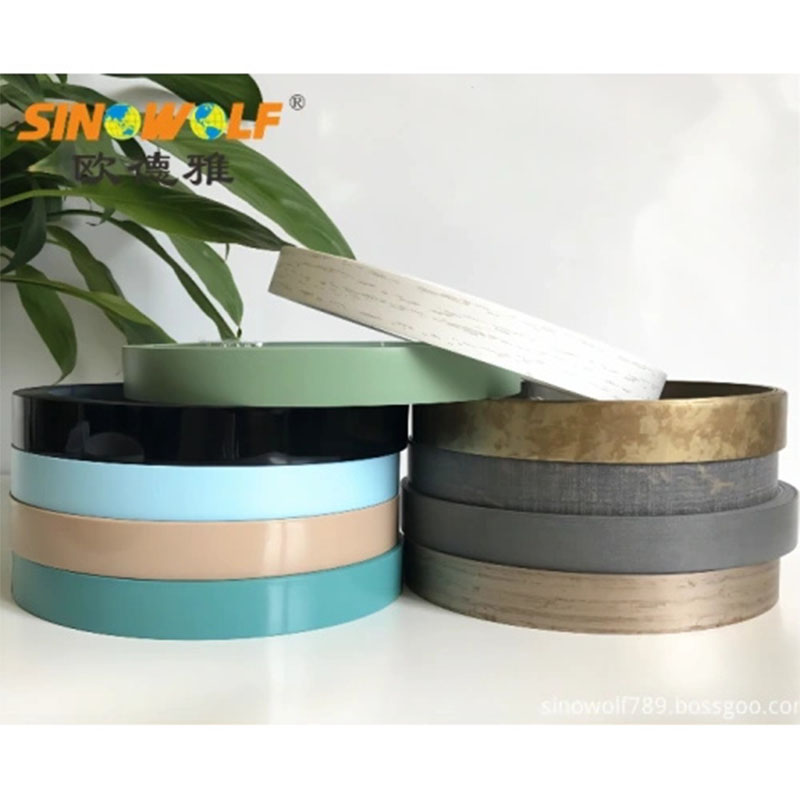
Variety of Finishes: Available in wood grain, matte, glossy, metallic, and custom patterns.
Ease of Application: Compatible with manual or automated edge banding machines.
Understanding these basic features helps you appreciate the importance of choosing the correct type for your project.
2. Factors to Consider When Choosing PVC Edge Banding
Selecting the right Furniture Edge Banding involves considering multiple factors. The right choice ensures the final product looks professional and lasts long.
a. Material Thickness
PVC edge banding is available in various thicknesses, typically ranging from 0.4 mm to 3 mm.
Thin edge banding (0.4–1 mm): Ideal for small-scale furniture, cabinets, or lightweight panels. It is easy to apply but may not withstand heavy impacts.
Medium thickness (1–2 mm): A balanced choice for most furniture, providing durability while remaining flexible enough for curves.
Thick edge banding (2–3 mm): Suitable for heavy-duty furniture or industrial applications where extra protection is needed.
Choosing the correct thickness ensures compatibility with your panel material and provides the desired level of protection.
b. Color and Finish
The visual aspect of furniture is often the deciding factor. PVC edge banding comes in an array of colors, textures, and finishes.
Wood Grain Patterns: Perfect for MDF or plywood panels that mimic natural wood. Popular in cabinets, wardrobes, and office furniture.
Solid Colors: Provides a modern, minimalist look for contemporary furniture designs.
Matte vs. Glossy: Matte finishes reduce glare and fingerprints, while glossy finishes give a premium shine.
Custom Patterns: Some manufacturers offer custom designs or metallic effects for a unique appearance.
Selecting a color and finish that complements the panel surface enhances the overall aesthetic appeal.
c. Panel Material Compatibility
Not all PVC edge banding works equally well with every panel material. Compatibility is crucial for a strong bond and long-term durability.
MDF: Works best with PVC banding that has heat-activated adhesive for a seamless bond.
Particleboard: Requires edge banding with sufficient thickness and adhesive strength to withstand moisture.
Plywood: Flexible PVC edge banding is ideal for curved or irregular shapes.
Solid Wood: While less common, PVC can be used for certain protective or decorative edges, but careful selection is required to prevent peeling.
Understanding your panel material ensures the edge banding adheres properly and avoids issues like peeling, bubbling, or warping.
d. Adhesive Type
PVC edge banding comes with different adhesive options:
Pre-Glued Edge Banding: Already coated with hot-melt adhesive. Ideal for use with edge banding machines; reduces application time.
Cold Adhesive Edge Banding: Applied manually using glue or tape. Suitable for DIY projects or irregular shapes.
Hot-Melt Adhesive (PU or EVA): Provides strong, durable bonding; common in commercial furniture production.
Choosing the right adhesive type depends on your production method, equipment, and required bond strength.
e. Edge Profile and Flexibility
Some furniture designs feature straight edges, while others have rounded corners or curves. PVC edge banding varies in flexibility:
Rigid Edge Banding: Best for straight edges; offers maximum protection.
Flexible Edge Banding: Suitable for rounded or irregular edges; maintains a smooth finish without cracking.
Matching flexibility with edge profile ensures a seamless, professional appearance.
f. Thickness Tolerance and Quality
High-quality PVC edge banding should have consistent thickness and smooth surfaces. Look for products with:
Minimal thickness variation (±0.05 mm or better)
Uniform adhesive coating
Resistance to discoloration or shrinkage over time
Investing in quality materials reduces production issues and ensures long-term durability.
3. Applications of PVC Edge Banding
PVC edge banding is versatile and finds use across multiple furniture applications:
Cabinets and Wardrobes: Protects edges and enhances the aesthetic finish.
Office Furniture: Offers professional appearance and durability for desks, tables, and shelving.
Kitchen and Bathroom Panels: Moisture-resistant PVC protects panels in humid environments.
Retail Displays: Durable edges withstand high-traffic usage.
Custom DIY Projects: Provides an easy way to achieve professional-grade finishes at home.
By choosing the right edge banding, manufacturers can improve product quality, reduce maintenance issues, and enhance customer satisfaction.
4. Environmental Considerations
Modern PVC edge banding options increasingly focus on sustainability:
Low Formaldehyde Emissions: Complies with strict indoor air quality standards.
Recyclable Materials: Some manufacturers produce eco-friendly PVC that can be reused or safely disposed of.
Durability Reduces Waste: Long-lasting edge banding reduces panel replacement frequency.
Sustainable PVC edge banding aligns with global trends in environmentally responsible furniture production.
5. Installation and Application Tips
Proper installation is key to achieving a seamless finish:
Prepare the Panel Edge: Ensure the surface is clean, dry, and free of dust or debris.
Choose the Right Machine or Tool: Automated edge banding machines provide consistent heat and pressure, while manual tools are suitable for small projects.
Temperature and Pressure Control: For hot-melt adhesives, maintain optimal temperature to prevent bubbling or weak adhesion.
Trimming and Finishing: After application, trim excess edge banding and polish the surface for a smooth finish.
Following proper installation guidelines ensures durability, appearance, and functionality.
6. Cost Considerations
When selecting PVC edge banding, balance cost with quality:
Budget Options: Lower-priced PVC may save upfront costs but may compromise adhesion, durability, or appearance.
Premium Options: High-quality edge banding ensures consistent thickness, superior adhesive performance, and a longer lifespan.
Investing in quality edge banding reduces long-term maintenance costs and increases customer satisfaction.
7. Choosing Suppliers
Reliable suppliers offer:
Consistent product quality and color matching
Customization options for thickness, color, and texture
Technical support for machine compatibility
Compliance with environmental and safety standards
Working with reputable suppliers ensures you get the right PVC edge banding for your furniture projects.
Conclusion
Choosing the right PVC edge banding is crucial for producing durable, high-quality, and aesthetically pleasing furniture. Consider factors such as thickness, color, material compatibility, adhesive type, flexibility, and environmental compliance to ensure optimal results. By selecting the correct edge banding and applying it properly, manufacturers and DIY enthusiasts alike can enhance panel longevity, improve production efficiency, and achieve a professional finish that meets customer expectations.